Brinsea vs Other Egg Incubators: Which Is Right for You?
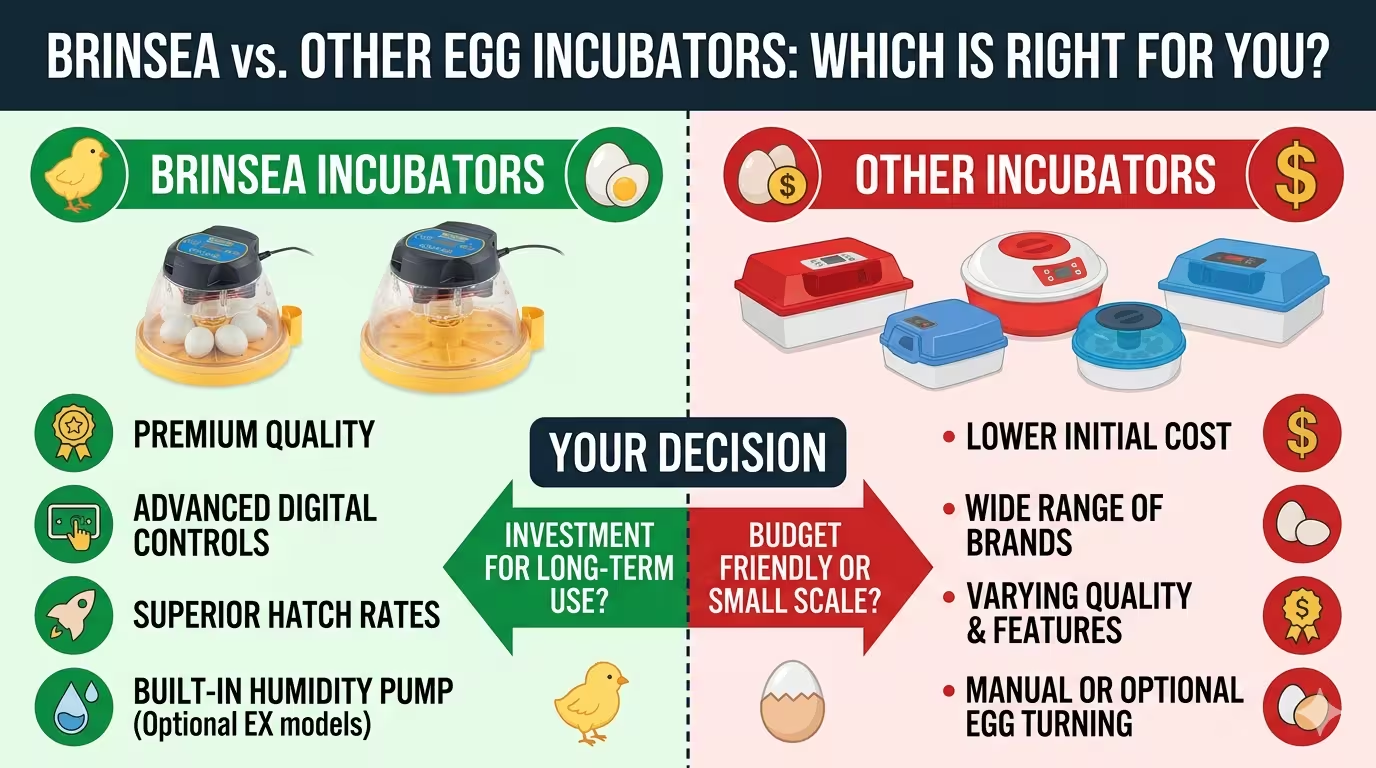
Choosing an incubator usually comes down to a tradeoff between price and peace of mind. Brinsea has built a reputation for reliable temperature control and durable construction, but it carries a premium price tag compared to popular alternatives like the Nurture Right 360, GQF Hova-Bator, and IncuView.
So how do these incubators actually compare once you look past the marketing? In this guide, we put Brinsea side by side with the most common alternatives backyard chicken and duck keepers consider, so you can decide which one fits your flock, budget, and experience level.
Whichever model you land on, our guide to common egg incubation mistakes covers the setup steps that matter most for a good hatch rate, regardless of brand.
Quick Comparison Table
| Feature | Brinsea Ovation 56 EX | Nurture Right 360 | GQF Hova-Bator | IncuView All-in-One |
|---|---|---|---|---|
| Typical Price | $$$$ | $$ | $ - $$ | $$ |
| Capacity | 56 eggs | ~22 eggs | Varies by kit | ~22-41 eggs |
| Auto Turning | Yes | Yes | Optional add-on | Yes |
| Humidity Control | Automatic | Automatic | Manual | Manual with pump option |
| Build | Hard plastic, antimicrobial | Plastic with 360° window | Styrofoam | Plastic with large window |
| Best For | Reliability, repeat hatchers, larger flocks | Beginners, families, classrooms | Tight budgets | Visibility-focused hatchers |
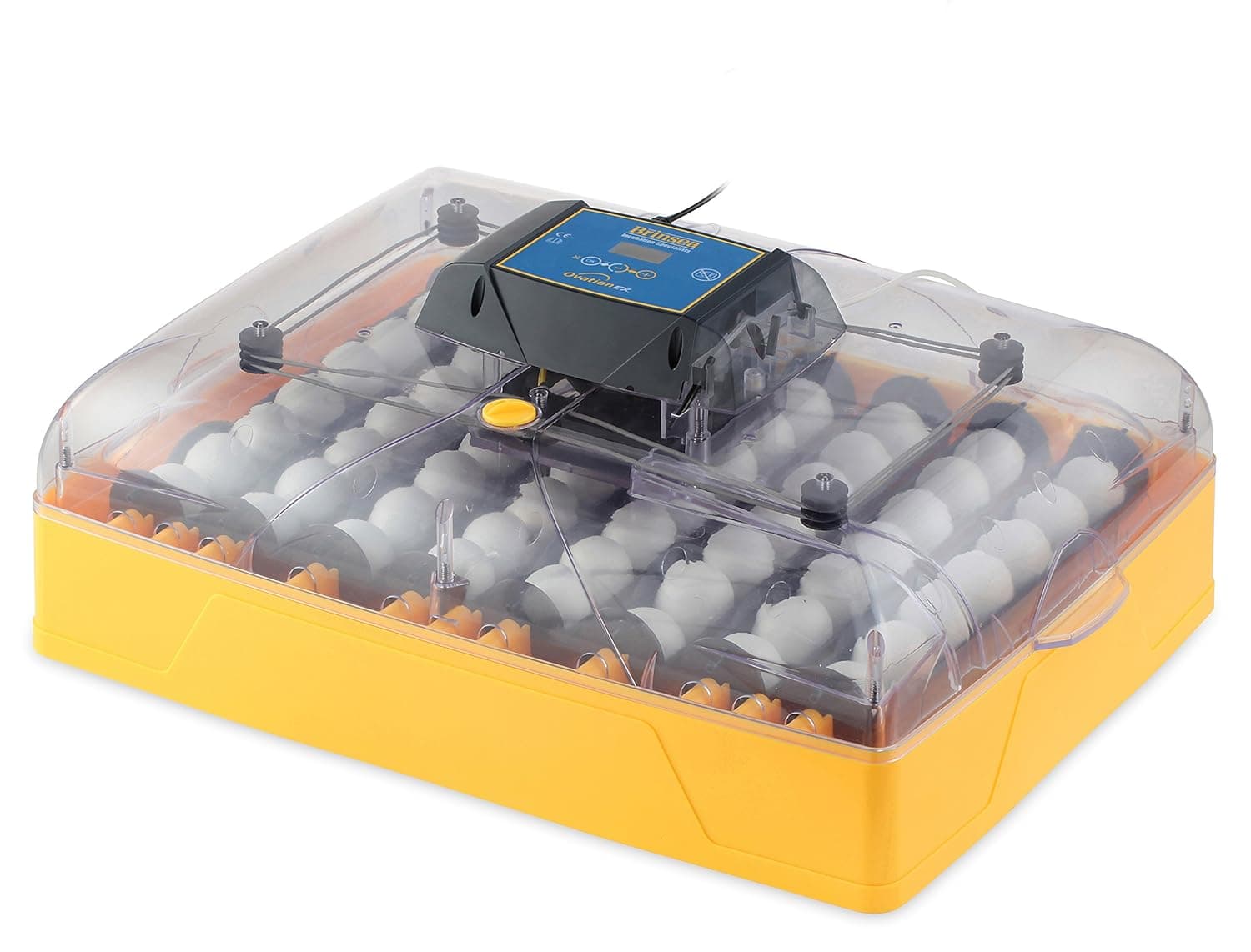
A premium, fully automatic incubator for serious breeders. Features precise digital control over temperature and humidity, automatic turning, and a clear lid for monitoring. Designed for high hatch rates and long-term reliability with a 3-year warranty.
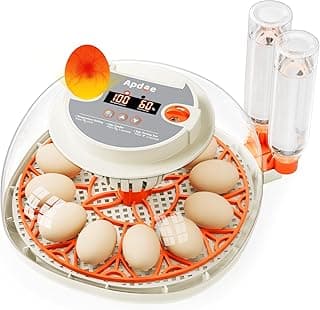
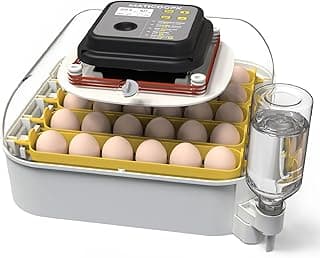
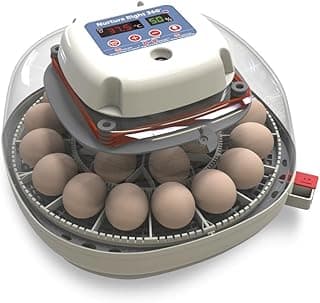
For a closer look at the Nurture Right 360 specifically, see its full listing here:
Premium incubator with advanced features for serious hobbyists and small-scale farmers, known for reliability.
Price and Value
This is the most obvious difference between the options. The Brinsea Ovation 56 EX sits at the premium end of the market, with a price tag several times higher than the Nurture Right 360. Brinsea's smaller Eco and Advance models (Mini II, Octagon 20, Ovation 28) start at lower price points closer to mid-range competitors, but the 56 EX is built for larger-scale, repeat hatching.
The Nurture Right 360 typically retails in the $150-200 range and is often discounted further, which makes its 22-egg capacity and automatic features a strong value pick for first-time hatchers. Budget Hova-Bator and styrofoam-based kits sit at the lowest price point but require more manual monitoring and often need add-ons (like an egg turner) purchased separately to match Brinsea's automatic feature set out of the box.
In short: if you're comparing entry-level options, Brinsea's smaller models are price-competitive with mid-range alternatives, but the Ovation 56 EX featured here is a clear step up in both price and capacity. You can compare current pricing across our full incubator range to see where each option lands for your budget.
Temperature and Humidity Stability
Temperature stability is where Brinsea tends to separate itself from budget options. Styrofoam-based incubators like basic Hova-Bator kits are more prone to temperature spikes and require closer monitoring, especially in rooms with fluctuating ambient temperatures.
The Nurture Right 360 and IncuView both offer digital temperature control that performs well for most home environments, generally holding steady for local or home-collected eggs. Brinsea's forced-air Advance and EX models are frequently described by long-term owners as the most consistent they've used, particularly for maintaining stable conditions through the bulk of the incubation period, with humidity needing slightly more attention only in the final days before hatch.
If you're hatching in a garage, shed, or anywhere with variable temperatures, Brinsea's stability advantage matters more. If your incubator lives in a climate-controlled room, the gap between Brinsea and the Nurture Right 360 narrows considerably.
Hatch Rates
Hatch rate is influenced far more by egg quality and fertility than by the incubator brand, so treat any incubator-specific hatch rate claims with some skepticism. That said, patterns do emerge from owner reports:
- Brinsea owners using local, fresh eggs commonly report hatch rates in the 80-100% range.
- Nurture Right 360 owners report similarly strong results with local eggs, with shipped eggs hatching at noticeably lower rates, which is typical across all incubator types.
- Budget styrofoam incubators can produce comparable hatch rates with attentive monitoring, but results tend to be more variable between batches.
The takeaway: a more expensive incubator won't fix poor egg quality, but it can reduce the variability caused by inconsistent temperature and humidity, which translates to more predictable results batch after batch.
Ease of Use and Visibility
The Nurture Right 360 stands out here thanks to its large, 360-degree viewing window, which is a major draw for families, classrooms, and anyone who enjoys watching the hatching process. It removes much of the temptation to open the lid "just to check," which helps protect humidity levels.
Brinsea's clear lids and side panels also offer good visibility, though the viewing angle isn't as expansive as the Nurture Right's wraparound design. The IncuView takes a similar large-window approach to the Nurture Right.
Budget styrofoam units typically have smaller viewing windows and less polished displays, making them functional but less engaging for hands-on observation.
Durability and Cleaning
Brinsea's hard plastic construction and antimicrobial-treated components (on select models) are built to withstand repeated hatches over years of use. Some long-term owners do note that certain internal components, like plastic housings around screws, can wear or crack after several years of disassembly for cleaning, and that heating elements aren't always easy to remove for a deep clean.
The Nurture Right 360 and IncuView, being newer designs with simpler automatic systems, generally report fewer long-term durability complaints, though they haven't been on the market as long as Brinsea's established lines.
Styrofoam incubators are the least durable long-term, as the material degrades with repeated cleaning and handling, but their low cost makes replacement relatively painless.
Which Incubator Fits Your Situation
Choose Brinsea if you hatch multiple batches per year, want the most consistent temperature control available, or are working with valuable or hard-to-source eggs where minimizing variability matters most.
Choose the Nurture Right 360 if you're a first-time hatcher, want strong automatic features at a lower price point, or want the best viewing experience for kids or classroom settings.
Choose a Hova-Bator or budget styrofoam kit if your budget is the primary constraint and you're comfortable with closer manual monitoring, especially for occasional or one-off hatches.
Choose the IncuView if visibility is your top priority and you want a middle ground between Brinsea's build quality and the Nurture Right's price point.
Final Verdict
There's no single "best" incubator, only the best fit for how often you hatch, your budget, and how hands-on you want to be. Brinsea wins on consistency and long-term reliability, especially for repeat hatchers, but the Nurture Right 360 and similar mid-range options deliver excellent results for most backyard keepers at a noticeably lower price.
If you want a deeper look at Brinsea specifically, including a full breakdown of its lineup and which model suits which use case, read our Brinsea Incubator Review. And whichever incubator you choose, walking through our common egg incubation mistakes guide before you set your first eggs can make a real difference to your results.